

Table of Contents
- What Is Dry Needling and How Does It Work for Muscle Pain
- Conditions and Injuries Treated With Dry Needling
- What to Expect During a Dry Needling Treatment Session
- Dry Needling Side Effects and Safety Considerations
- Dry Needling Aftercare and Recovery
- How Long Does Dry Needling Soreness Last
- Dry Needling vs Acupuncture: Key Differences
- Is Dry Needling Right for Your Muscle Pain
- Frequently Asked Questions
Last Updated: October 11, 2026
What Is Dry Needling and How Does It Work for Muscle Pain
Dry needling for muscle pain relief is a minimally invasive procedure where a healthcare provider inserts a thin, solid filiform needle directly into muscle tissue to treat pain and restore function. Unlike acupuncture, which is rooted in traditional Chinese medicine, dry needling is based on Western anatomy and physiology. The needle targets specific areas of muscle tension and dysfunction to trigger healing.
At Dr. Gil Center for Back, Neck, and Chronic Pain Relief, we’ve worked with patients experiencing stubborn muscle pain that hasn’t responded to other treatments. Dry needling offers a direct approach: the needle stimulates the nervous system and muscle fibers, prompting a local twitch response that helps release tension and restore normal muscle function.
Understanding Myofascial Trigger Points
A myofascial trigger point is a tight knot within muscle tissue that causes pain locally and sometimes radiates to other areas. These trigger points develop from muscle overuse, injury, poor posture, or repetitive strain. The muscle fibers become contracted and stuck, limiting your range of motion and causing discomfort.
When a trigger point forms, the muscle can’t relax properly. This creates a cycle: tension leads to reduced blood flow, which prevents healing and deepens the problem. Myofascial pain is frustrating because stretching and massage alone often can’t release these stubborn knots. That’s where dry needling enters the picture, it addresses the root cause by directly accessing the trigger point within the muscle tissue itself. This precise mechanical intervention often serves as a necessary precursor to other therapeutic approaches like Botox for treating jaw tension.
The Role of the Filiform Needle
The filiform needle used in dry needling is extremely thin, much thinner than a hypodermic needle used for injections. It’s solid, not hollow, which means there’s no medication being injected. The needle simply creates a mechanical stimulus within the muscle.
When inserted into a trigger point, the needle causes a local twitch response. This involuntary muscle contraction is actually therapeutic. It signals the nervous system to release the tight muscle fibers and restore normal function. The needle also promotes blood flow to the area, which supports healing and reduces inflammation.
The local twitch response, that brief muscle contraction when the needle hits the trigger point, is a sign the treatment is working. It’s not painful, though you may feel a dull ache or pressure sensation during the procedure.
Conditions and Injuries Treated With Dry Needling
Dry needling for muscle pain relief works well for conditions involving muscle tension, trigger points, and myofascial pain. Common conditions treated include:
- Neck and shoulder pain from poor posture or tension
- Chronic back pain and muscle stiffness
- Muscle pain from auto accident injuries like whiplash
- Muscle tension related to degenerative disc disease
- Sciatica and radiating leg pain caused by muscle tightness
- Joint discomfort from muscle imbalances
- Post-injury muscle rehabilitation and recovery
Dry needling is particularly useful for muscle pain that persists despite physical therapy, stretching, or other conservative treatments. It works alongside rehabilitation and other therapies to address the underlying muscle dysfunction. Many patients find that combining dry needling with physical therapy and lifestyle changes produces better results than any single treatment alone.
Dry needling addresses muscle pain at its source, the trigger point, making it effective for conditions where muscle tension is the primary problem rather than structural damage.
What to Expect During a Dry Needling Treatment Session
Before Your Appointment
Before your first dry needling appointment, your healthcare provider will review your medical history and ask about your pain, injury, and previous treatments. Be honest about any medications you take, previous surgeries, or conditions like diabetes or bleeding disorders, these affect how your body responds to treatment.
Wear loose, comfortable clothing that allows easy access to the area being treated. Eat a light meal before your appointment and stay hydrated. Avoid strenuous exercise the day of your appointment. If you’re nervous about needles, let your provider know, they can explain the procedure step-by-step and answer your questions.
During the Procedure
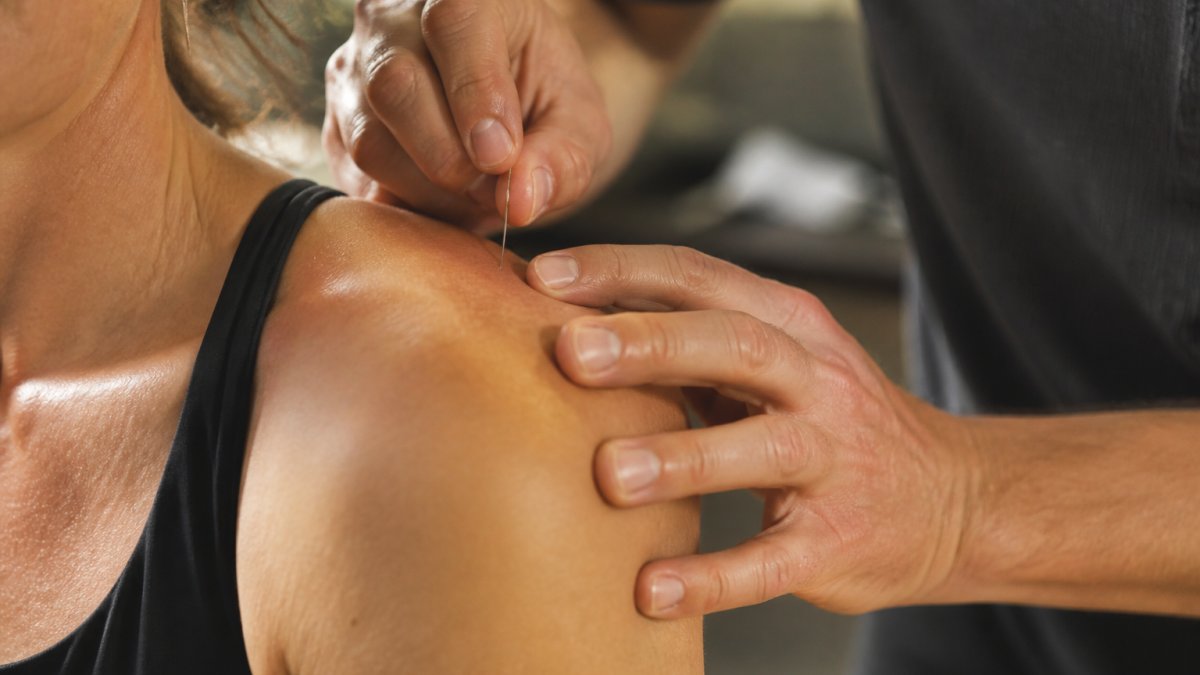
When the procedure begins, your provider will locate the trigger point by palpating (feeling) the muscle. They’ll clean the skin with an antiseptic wipe. Then they insert the filiform needle into the trigger point.
The goal is to elicit a local twitch response, an involuntary muscle contraction. Your provider may move the needle slightly in and out to stimulate the muscle fibers. This sensation is not painful, though it’s unusual if you’ve never experienced it.
Most people remain relaxed during treatment. Some feel immediate relief, while others notice improvement over the next few days as inflammation decreases and muscle function restores.
Immediate Aftereffects
Right after dry needling, the treated area may feel tender or slightly sore. Some redness or mild bruising can appear, though this is temporary. You might notice improved mobility and reduced pain immediately, or the benefits may develop over 24 to 48 hours as the muscle heals.
Avoid strenuous activity for the rest of the day. Light movement and gentle stretching are fine. Ice can help if there’s inflammation, though many people don’t need it.
Dry Needling Side Effects and Safety Considerations
Dry needling is generally safe when performed by a qualified healthcare provider. However, like any procedure, it carries minimal risks. Understanding these helps you make an informed decision.
Common mild side effects include:
- Muscle soreness or tenderness at the needle site
- Mild bruising or redness
- Temporary fatigue or achiness
- Slight increase in pain before improvement
- Muscle twitching or cramping in the treated area
These effects typically resolve within 24 to 48 hours. More serious complications are rare but can include:
- Infection at the needle site
- Nerve irritation
- Pneumothorax (collapsed lung) if needles are inserted near the chest, this is extremely rare
- Excessive bleeding in people on blood thinners (Source: scientific literature on dry needling)
Before treatment, inform your provider if you:
- Take blood thinners or have a bleeding disorder
- Are pregnant
- Have a compromised immune system
- Have severe fear of needles or trauma related to needles
- Have active skin infections in the treatment area
Your provider will screen for these conditions and adjust the treatment plan accordingly. Dry needling for muscle pain relief is contraindicated for certain people, so honest communication about your health history is essential.
If you develop signs of infection, increasing redness, warmth, swelling, or pus, or experience severe pain or difficulty breathing after treatment, contact your healthcare provider immediately. These are rare but require prompt attention.
Dry Needling Aftercare and Recovery
Proper aftercare supports healing and maximizes the benefits of treatment. In the first 24 hours after dry needling, avoid intense exercise, heavy lifting, and activities that stress the treated muscle. Light movement like walking is fine.
Apply ice for 15 minutes if there’s swelling or inflammation. Gentle stretching of the treated area, once any acute soreness subsides, helps maintain the improved muscle function. Stay hydrated, this supports tissue healing and reduces soreness.
Over the next few days, gradually return to normal activity. Most people can resume regular exercise within 48 hours, though listening to your body is important. If pain increases significantly, scale back activity and give the muscle more time to recover.
Many patients benefit from physical therapy or rehabilitation exercises after dry needling. These strengthen the muscle and prevent trigger points from returning. Your provider at Dr.
How Long Does Dry Needling Soreness Last
Post-treatment soreness after dry needling for muscle pain relief typically peaks within 24 to 48 hours and resolves within a few days. Some people experience minimal soreness, while others feel more pronounced muscle aching, both are normal responses.
The soreness usually feels like a delayed-onset muscle soreness, similar to what you might experience after a new workout. It’s not sharp or severe pain; it’s more of a dull, achy sensation. Over-the-counter pain relief like ibuprofen can help if needed, though many people don’t require it.
If soreness persists beyond a week or worsens, contact your healthcare provider. This could indicate an unusual response or complication that needs attention.
Most dry needling soreness resolves within 3 to 5 days. If you experience longer-lasting or severe pain, reach out to your provider for guidance.
Dry Needling vs Acupuncture: Key Differences
While dry needling and acupuncture both use thin needles, they’re fundamentally different practices. Understanding the distinction helps you choose the right treatment.
Acupuncture is based on traditional Chinese medicine principles of balancing energy flow (qi) through meridians in the body. A licensed acupuncturist inserts needles at specific points on the body to influence this energy and promote healing.
Dry needling, by contrast, is based on Western anatomy and physiology. It targets specific myofascial trigger points, tight knots in muscle tissue, to relieve pain and restore function. The goal is to trigger a local twitch response and improve muscle performance.
Here’s a practical comparison:
| Aspect | Acupuncture | Dry Needling |
|---|---|---|
| Foundation | Traditional Chinese medicine | Western anatomy and physiology |
| Target | Meridian points and energy flow | Myofascial trigger points in muscle |
| Goal | Balance energy, promote wellness | Release muscle tension, restore function |
| Needle depth | Often superficial | Deeper, into muscle tissue |
| Practitioner | Licensed acupuncturist | Physical therapist, chiropractor, or physician |
| Best for | General wellness, chronic pain, various conditions | Muscle pain, trigger points, rehabilitation |
Both approaches can be effective for pain relief. The right choice depends on your condition, preference, and what your healthcare provider recommends.
Is Dry Needling Right for Your Muscle Pain
Dry needling for muscle pain relief works well if your pain stems from muscle tension, trigger points, or myofascial dysfunction. It’s particularly useful when other treatments haven’t provided relief or when you want to avoid surgery.
Consider dry needling if you:
- Have localized muscle pain or trigger points
- Experience limited range of motion from muscle tightness
- Want a minimally invasive treatment option
- Are willing to combine it with physical therapy or rehabilitation
- Have muscle pain that hasn’t improved with stretching or massage alone
Dry needling may not be right if you:
- Have active infection at the treatment site
- Take blood thinners or have a bleeding disorder
- Are pregnant
- Have severe needle anxiety or trauma
- Have structural damage (like a herniated disc) as the primary problem, though muscle treatment can still help
The best way to determine if dry needling is appropriate for your situation is to consult with a qualified healthcare provider.
At Dr. Gil Center for Back, Neck, and Chronic Pain Relief, our team specializes in personalized treatment plans that may include dry needling alongside other advanced therapies like spinal decompression, Class IV laser therapy, and therapeutic ultrasound.
If muscle pain is limiting your life and you’re ready to explore effective treatment options, we’re here to help. Our experienced team will develop a tailored approach to restore your function and improve your quality of life.
Frequently Asked Questions
How does dry needling help relieve muscle pain?
Dry needling targets myofascial trigger points, tight knots within muscle tissue that restrict movement and cause pain. When a thin filiform needle is inserted into these trigger points, it triggers a local twitch response that helps release muscle tension and restore normal muscle function. This process reduces pain and improves mobility by addressing the root cause of muscle tightness rather than just masking symptoms.
What are the downsides of dry needling?
Dry needling side effects are generally mild and temporary. Common experiences include post-treatment soreness, minor bruising at the needle site, and temporary muscle fatigue. Some people may feel lightheaded or experience brief dizziness. Serious complications are rare when performed by a qualified professional. Individuals with bleeding disorders, severe needle phobia, or certain medical conditions should discuss contraindications with their provider before treatment.
How long does soreness last after dry needling?
Post-treatment soreness typically lasts 24 to 48 hours, though some patients experience mild discomfort for up to 72 hours. The soreness resembles muscle soreness after exercise and usually improves with rest, ice application, and gentle movement. Severity varies based on the number of trigger points treated and individual pain sensitivity. Most patients find the temporary soreness manageable and worthwhile given the pain relief benefits.
How does dry needling differ from acupuncture?
While both use thin needles, dry needling and acupuncture operate on different principles. Dry needling targets specific myofascial trigger points in muscle tissue to relieve pain and restore function, grounded in Western anatomical and physiological understanding. Acupuncture follows traditional Chinese medicine principles and targets acupuncture points along energy meridians. Dry needling typically requires fewer sessions and focuses on musculoskeletal pain, while acupuncture often addresses broader wellness concerns.


